
Tailored for your success
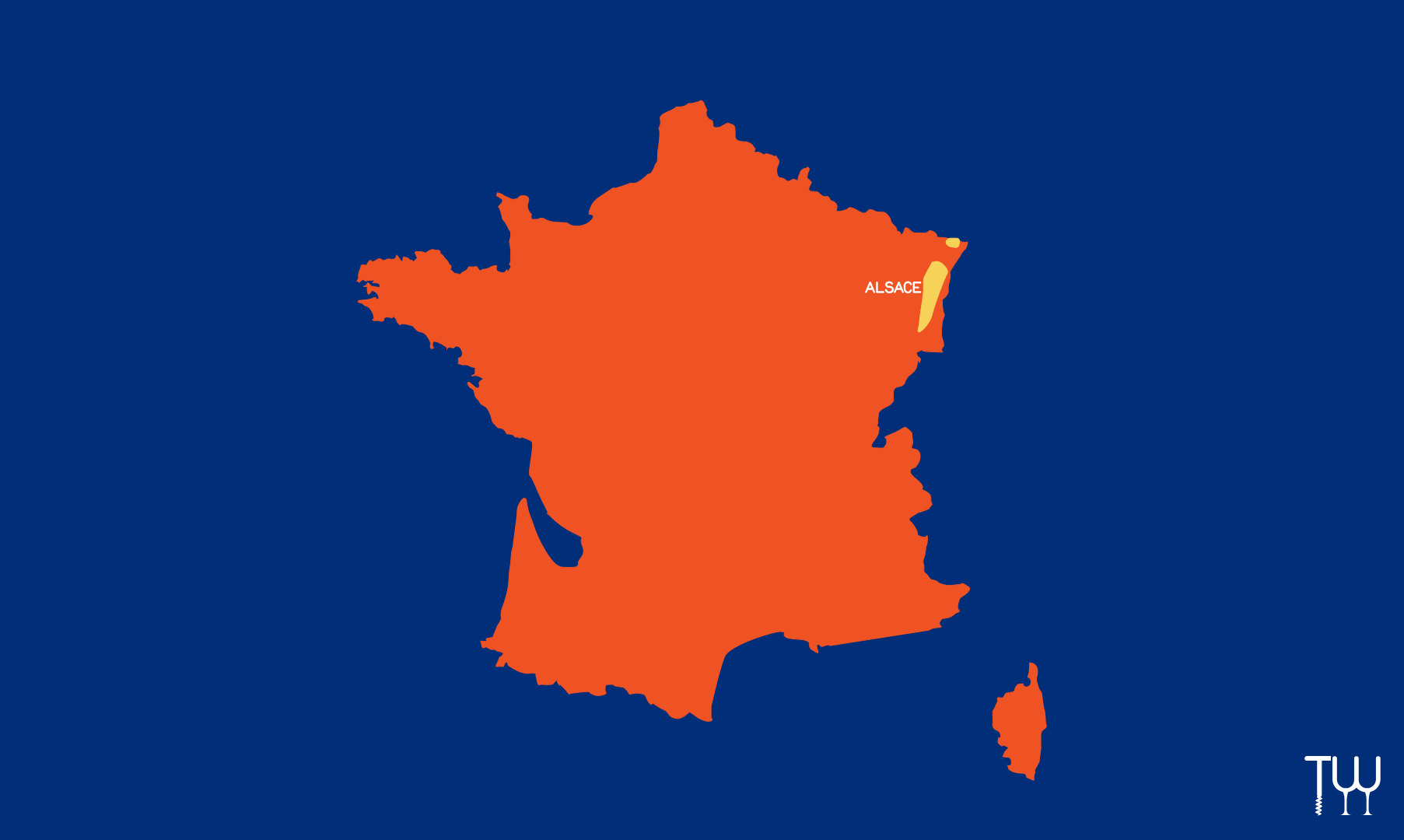
As has been the trend for several years, the weather in 2023 has raised questions among the 438 members of Synvira regarding the future of winemaking. The recently harvest, except for certain plots saved for late harvest, is expected to confirm a smaller Riesling crop. This iconic Alsace variety seems to be the most sensitive to climate change. It is struggling with high temperatures, resulting in smaller grape clusters. In less favorable conditions, some winegrowers had to settle for meager yields of 10 to 20 hectoliters per hectare. Even the best yields did not exceed 55 hectoliters per hectare, far below this year's allowance of 75 hectoliters per hectare. In contrast, Pinot Noir had an exceptional year, producing large and dense clusters of grapes. "Our current climate resembles that of Burgundy two decades ago. This presents a historic opportunity for Alsace to compete with Burgundy reds," explains Francis Backert, the President of Synvira. Therefore, the focus is not on hasty planting but rather on the swift identification of terroirs suitable for this grape variety, with the goal of capitalizing on increased value in the future, even if the current yield (60 hectoliters per hectare in the Alsace appellation, 55 hectoliters per hectare in lieu-dit) should potentially be reduced to, for instance, 40 hectoliters (5 million bottles) per hectare.
Optimism lies in Crémant, which could potentially counterbalance declining vitality of vineyards. With nearly 200 vineyards ceasing operations each year, the number of harvest declarations may soon drop below 3,000. Concurrently, the number of market participants has already fallen below 700, currently at 697. This trend reflects a lack of sufficient financial incentive for new entrants. "The cost of land is increasingly disconnected from income per hectare. For instance, it's no longer economically viable to produce Gewürztraminer," Francis Backert laments. However, economic appeal is vital to stimulate new ventures. On a brighter note, Crémant sales appear to be revitalizing the vineyard. In 2023, approximately 8% more Crémant was harvested than in 2022, which equates to around 300,000 hectoliters. This volume represents nearly 30% of the expected harvest for this year.
Source: Vitisphère


32 Rue Robert Mallet Stevens
BAT C
30900 Nîmes - FRANCE
+33 (0)4.66.23.44.22