
Tailored for your success
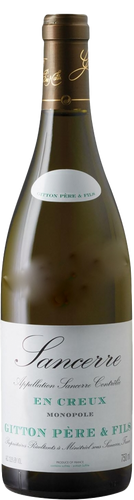
En Creux
Vignoble Gitton - Sancerre
White,Sancerre
100% Sauvignon Blanc
history
Vignoble Gitton is a family-owned estate founded in 1945 by Marcel and Huguette Gitton with just half a hectare of vines. Over three generations, the domaine has grown to around 33 hectares across Sancerre, Pouilly-Fumé, and Coteaux du Giennois. Today, Pascal and Denise Gitton, together with their daughter Chanel, craft authentic, terroir-driven wines that highlight the diversity of Sancerre’s limestone and flint soils. Each parcel is vinified separately, reflecting the estate’s long-standing commitment to precision, tradition, and the pure expression of Sauvignon Blanc.
Vineyard
The En Creux vineyard covers a slope of 20 to 30% at an altitude of 130 to 145 meters. The soil is composed of Hauterivian limestone, a terroir known for giving Sauvignon Blanc its distinctive minerality and precision. The eastern exposure ensures slow, even ripening, resulting in grapes of remarkable aromatic balance.
Winemaking
Harvesting is mechanical, followed by pneumatic pressing and cold settling of the must. Fermentation occurs spontaneously with native yeasts, allowing the terroir to express itself naturally. The wine is aged for six months on total lees in stainless-steel tanks, preserving both freshness and complexity.
Tasting notes
This Sancerre displays a delicate bouquet of white flowers, citrus fruits, and chalky minerality. The palate is lively and well-structured, combining freshness with finesse. The finish is long, pure, and subtly saline, reflecting the limestone terroir of the En Creux hillside.
Food pairing
Ideal with seafood, oysters, grilled fish, and goat cheese, particularly the local Crottin de Chavignol. It also complements white meats and vegetable dishes with light citrus accents.
Aging potential
Grape varieties
100% Sauvignon Blanc
Cuvée France
32 Rue Robert Mallet Stevens
BAT C
30900 Nîmes - FRANCE
+33 (0)4.66.23.44.22
32 Rue Robert Mallet Stevens
BAT C
30900 Nîmes - FRANCE
+33 (0)4.66.23.44.22
GOVERNMENT WARNING : (1) According to the Surgeon General, women should not drink alcoholic beverages during pregnancy because of the risk of birth defects. (2) Consumption of alcoholic beverages impairs your ability to drive a car or operate machinery, and may cause health problems